Spring Eye Allergies in Woodstock: What’s Causing Your Itchy Eyes Right Now
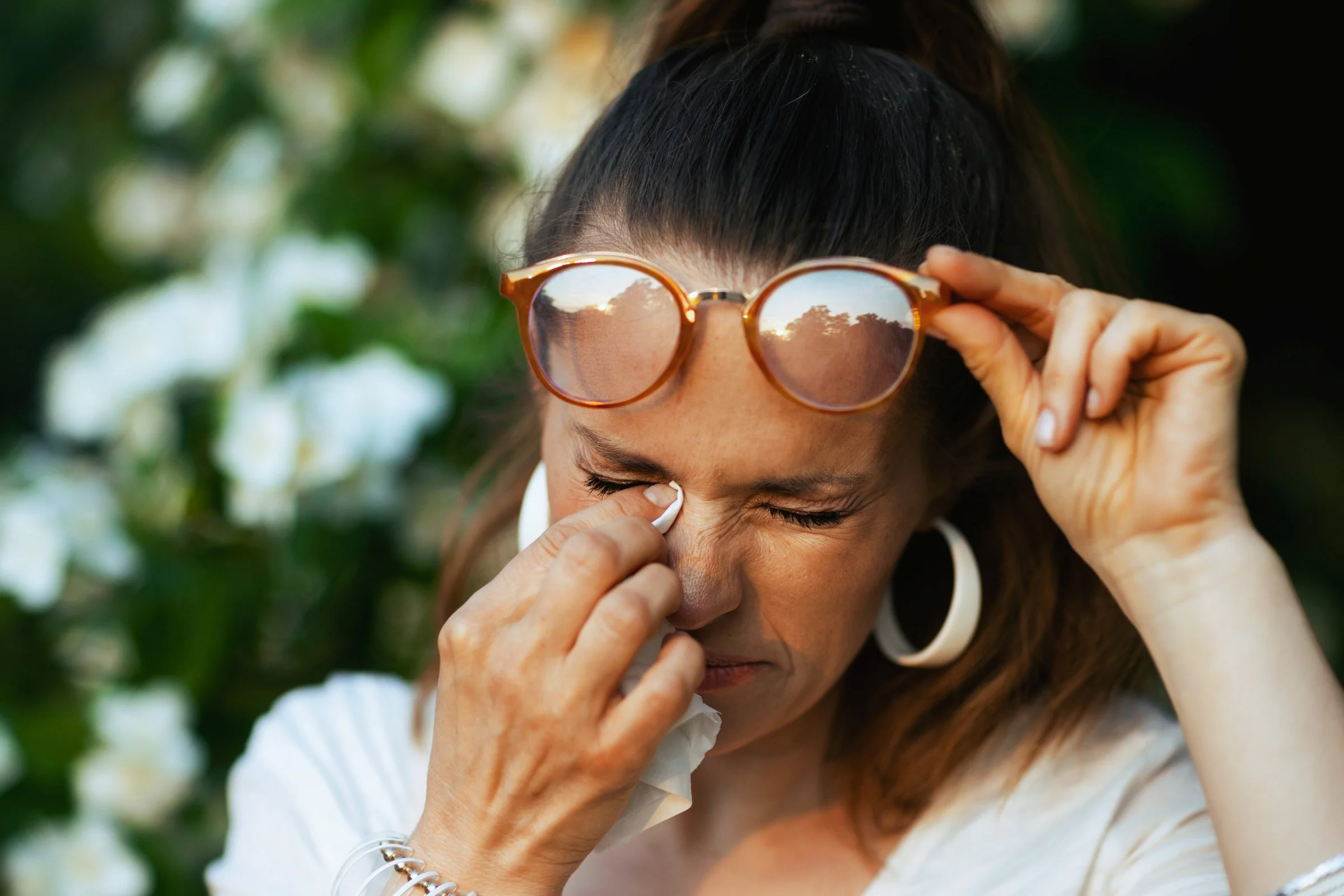
If your eyes have been red, watery, and relentlessly itchy these past few weeks, you’re not imagining it — and you’re not alone. Spring allergy season in Cherokee County is in full swing, and your eyes are often the first to feel it.
Why Spring Is So Hard on Eyes in the Woodstock Area
Georgia is notorious for its spring pollen season, and the greater Atlanta area — including Woodstock and Cherokee County — consistently ranks among the worst regions in the country for allergy sufferers. Tree pollen from oak, birch, cedar, and pine typically peaks in March and April, followed by grass pollen through May and June.
When airborne pollen lands on the surface of your eyes, your immune system can react by releasing histamine — the same chemical that makes your nose run. In the eyes, this triggers a condition called allergic conjunctivitis, which causes:
- Intense itching or burning
- Redness and swelling of the whites of the eyes
- Watery, clear discharge
- A gritty or sandy sensation
- Increased light sensitivity
These symptoms can range from mildly annoying to completely disruptive — especially for contact lens wearers, who often find their lenses become uncomfortable or unwearable during peak allergy season.
Are Your Symptoms Allergies, Dry Eye, or Something Else?
One of the most common mistakes people make is assuming that any red, irritated eye is an allergy. But dry eye disease, viral conjunctivitis (pink eye), and blepharitis can all look similar and require very different treatments.
Quick comparison:
- Allergic conjunctivitis — intense itching, both eyes, clear watery discharge, seasonal pattern
- Dry eye — burning or stinging, gritty feeling, worse at end of day or with screen use, not always seasonal
- Viral conjunctivitis — redness, discharge (often thicker), may start in one eye and spread, often with cold symptoms
Getting the right diagnosis matters because using the wrong treatment — for example, applying certain OTC redness-reducing drops long-term — can actually make symptoms worse. If you’re not sure what’s causing your symptoms, an exam at Family Eye Clinic at Towne Lake can give you a clear answer and a treatment plan that actually works.
What Actually Helps (and What Doesn’t)
What helps:
- Prescription or OTC antihistamine eye drops — look for ketotifen-based drops, which work well for allergic conjunctivitis
- Cold compresses to reduce swelling and itching
- Switching to daily disposable contact lenses during peak season — a fresh lens every day means less pollen buildup
- Keeping windows closed on high-pollen days and showering before bed to rinse pollen from hair and skin
- Artificial tears to flush pollen off the eye surface
What doesn’t help:
- Rubbing your eyes — this releases more histamine and makes symptoms significantly worse
- Redness-relief drops (like Visine) used regularly — these can cause rebound redness over time
- Waiting it out if symptoms are severe — untreated allergic inflammation can affect contact lens comfort and corneal health
When to See an Eye Doctor
You should schedule an appointment if your symptoms are significantly affecting your daily life, if OTC drops aren’t providing relief, if your vision is blurred, or if you’re a contact lens wearer struggling with comfort. In-office, we can prescribe stronger antihistamine or anti-inflammatory drops, evaluate whether dry eye is compounding your symptoms, and make sure there’s nothing else going on.
Family Eye Clinic at Towne Lake is located in Woodstock and serves patients throughout Cherokee County. Spring allergy appointments fill up fast this time of year — if your eyes are bothering you now, don’t wait.